

Real-Time Vehicle Tracking: How GPS Trackers Improve Fleet Management

Top 10 GPS Trackers for Personal Use: Secure Your Belongings Today
14 February 2026
How GPS Tracking Devices Are Revolutionizing Child Safety in 2026 (And What Actually Works for Real Parents)
26 February 2026
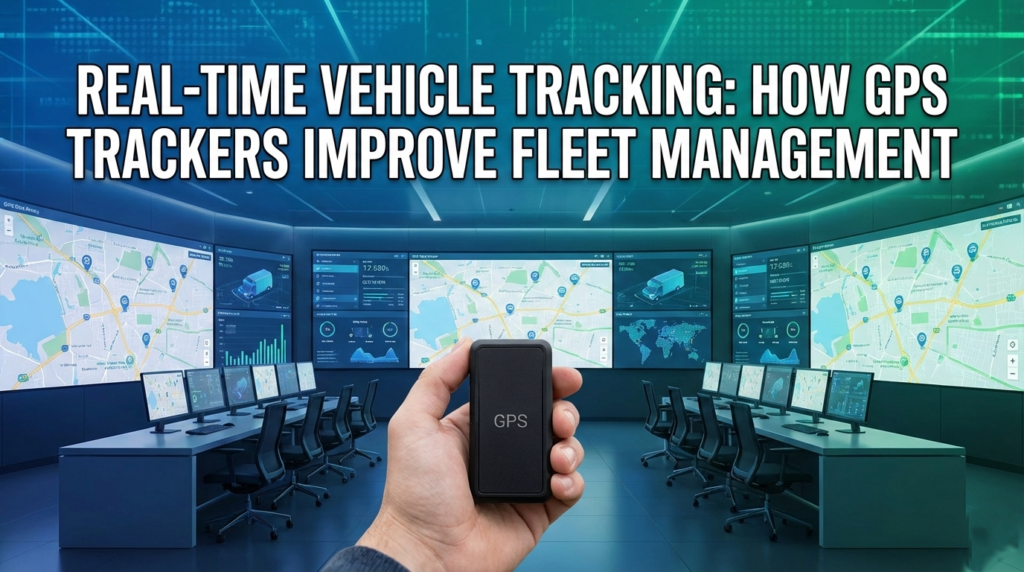
In today’s fast-paced world, fleet management has become more complex and demanding than ever before. Businesses with vehicle fleets, whether for delivery, transportation, or service, face numerous challenges in ensuring efficiency, safety, and cost-effectiveness. One of the most effective solutions that has emerged is real-time vehicle tracking through GPS technology. This innovative technology provides businesses with the ability to monitor, manage, and optimize their fleet operations with greater precision and efficiency.
In this blog, we will explore how GPS trackers are transforming fleet management, the benefits they bring, and how they are paving the way for smarter business operations.
What is Real-Time Vehicle Tracking?
Real-time vehicle tracking refers to the use of GPS (Global Positioning System) technology to monitor and track the location of vehicles in a fleet as they move. By installing GPS devices on vehicles, fleet managers can access live data on vehicle locations, speed, fuel consumption, and more. This data is sent to a central platform, allowing businesses to monitor their fleet in real-time from any device.
With the advent of advanced GPS tracking systems, fleet operators now have the power to manage their vehicles more effectively, improving productivity, reducing costs, and ensuring the safety of their drivers.
Key Benefits of Real-Time Vehicle Tracking for Fleet Management
1. Improved Route Optimization
One of the most significant advantages of real-time vehicle tracking is the ability to optimize routes. With access to live traffic data and vehicle locations, fleet managers can reroute drivers in real-time to avoid traffic jams, road closures, or accidents. This helps reduce fuel consumption, decrease travel time, and ultimately improve delivery efficiency.
By using GPS trackers, fleet managers can identify the most efficient routes for their vehicles, ensuring that they reach their destinations on time. Moreover, with route optimization, businesses can reduce operational costs and increase customer satisfaction.
2. Enhanced Vehicle Maintenance
GPS tracking systems not only monitor the location of a vehicle but also provide valuable insights into the vehicle’s health and performance. Many GPS trackers come with features that monitor engine diagnostics, fuel consumption, and overall vehicle condition.
With real-time tracking, fleet managers can schedule maintenance proactively, avoiding costly repairs and minimizing downtime. Timely maintenance also extends the lifespan of vehicles and improves their overall performance. This can help businesses reduce maintenance costs and avoid unexpected breakdowns.
3. Improved Safety and Security
Vehicle theft and accidents are significant concerns for fleet managers. Real-time tracking systems provide businesses with a robust way to ensure the safety and security of their vehicles and drivers.
In the event of theft, GPS trackers allow fleet managers to track the vehicle’s location instantly, increasing the chances of recovery. In the case of accidents, real-time tracking allows fleet operators to quickly assess the situation and send assistance if necessary.
Moreover, GPS tracking can also promote safe driving habits among employees by providing data on speed, braking, and driving behavior. By monitoring this data, fleet managers can identify risky drivers and implement corrective measures to enhance safety.
4. Reduced Fuel Costs
Fuel is one of the most significant expenses for fleet-based businesses. With real-time vehicle tracking, businesses can reduce fuel consumption by identifying inefficient driving practices and providing feedback to drivers.
Tracking systems can alert managers when vehicles are idling for extended periods or when drivers are taking longer routes than necessary. By optimizing routes and encouraging efficient driving, businesses can cut fuel costs and increase their bottom line.
5. Better Customer Service
In industries like delivery and transportation, customer satisfaction is paramount. Real-time vehicle tracking allows businesses to provide more accurate ETAs (estimated time of arrival) to customers. With live data on vehicle locations, customers can be informed about delays or any unexpected changes to their delivery schedule.
Additionally, businesses can streamline their operations by ensuring timely deliveries, minimizing the risk of missed deadlines, and improving customer trust.
6. Compliance with Regulations
Fleet management is subject to numerous local and international regulations, especially in industries such as transportation and logistics. Real-time GPS tracking helps businesses stay compliant by providing data that ensures vehicles are operating within legal guidelines, such as speed limits and hours of operation.
Moreover, GPS tracking helps businesses maintain accurate records for tax and audit purposes, reducing the risk of compliance violations and potential penalties.
How GPS Trackers Enhance Fleet Efficiency
1. Real-Time Monitoring and Alerts
A central dashboard that provides live updates on vehicle location, speed, and behavior is one of the most powerful features of GPS tracking. Fleet managers can track every vehicle in their fleet in real-time, making it easy to manage operations and respond to any issues immediately.
Real-time alerts can also be set up for specific events, such as speeding, harsh braking, or unauthorized vehicle use. These alerts enable fleet managers to act quickly to address problems and ensure smooth operations.
2. Geofencing and Route Monitoring
Geofencing is a feature that allows fleet managers to create virtual boundaries around specific geographic areas. When a vehicle enters or exits these predefined zones, the system sends an alert. Geofencing helps businesses track their vehicles’ movements more accurately and ensures that drivers stay within designated areas.
Additionally, route monitoring allows fleet managers to track whether drivers are following planned routes or deviating. This feature can help improve operational efficiency and ensure that deliveries are made on time and within budget.
3. Customizable Reporting
Fleet managers can customize reports to track specific metrics that are important to their business. From fuel consumption to driver performance, GPS tracking systems offer a wealth of data that can be used to make informed decisions.
By analyzing these reports, businesses can identify areas of improvement, set benchmarks, and track performance over time. This data-driven approach allows for continuous optimization of fleet operations.
Trending SEO Keywords for Fleet Management and GPS Tracking
To optimize your content and ensure that it reaches a broader audience, it’s important to focus on high-volume keywords that are currently trending in the fleet management and GPS tracking industry. Here are some top keywords to include in your content:
- Fleet management software
- Vehicle tracking system
- Real-time GPS tracking
- GPS tracker for vehicles
- Fleet optimization
- Vehicle maintenance management
- GPS tracking for fleet management
- Route optimization for fleets
- Fuel management system
- Fleet safety monitoring
By naturally integrating these keywords into your content, you can boost your chances of ranking higher on search engines and attracting a larger audience interested in fleet management solutions.
How to Get Started with Real-Time Vehicle Tracking
Getting started with real-time vehicle tracking for your fleet is a straightforward process. Here are the basic steps to follow:
- Choose the Right GPS Tracker
Select a GPS tracking system that fits your fleet’s needs. Consider factors like real-time monitoring, ease of use, and the ability to scale as your fleet grows. - Install GPS Devices on Your Vehicles
Once you have selected the trackers, the installation process is simple. Most GPS devices are easy to install and can be done without any professional help. - Set Up the Fleet Management Software
Choose fleet management software that integrates with your GPS trackers. This software will allow you to access real-time data, set up alerts, and generate reports. - Train Your Team
Ensure that your fleet managers and drivers are trained to use the tracking system effectively. This will help maximize the benefits of the system. - Monitor and Optimize
Start monitoring your fleet in real-time. Use the data to optimize routes, manage fuel consumption, and ensure that your vehicles are well-maintained.
Conclusion
Real-time vehicle tracking has revolutionized the way businesses manage their fleet operations. With GPS tracking systems, fleet managers can optimize routes, improve safety, reduce fuel costs, and ensure timely deliveries. The data-driven insights provided by GPS technology are invaluable in enhancing fleet performance and boosting customer satisfaction.
If you’re looking to improve your fleet management strategy and gain a competitive edge, integrating real-time vehicle tracking into your operations is a smart move. With the right GPS tracker and fleet management software, you can streamline operations, reduce costs, and ensure the safety and efficiency of your fleet.
Ready to Optimize Your Fleet Management?
Start leveraging real-time vehicle tracking today! Explore the best GPS tracking solutions for your business and take control of your fleet’s performance.